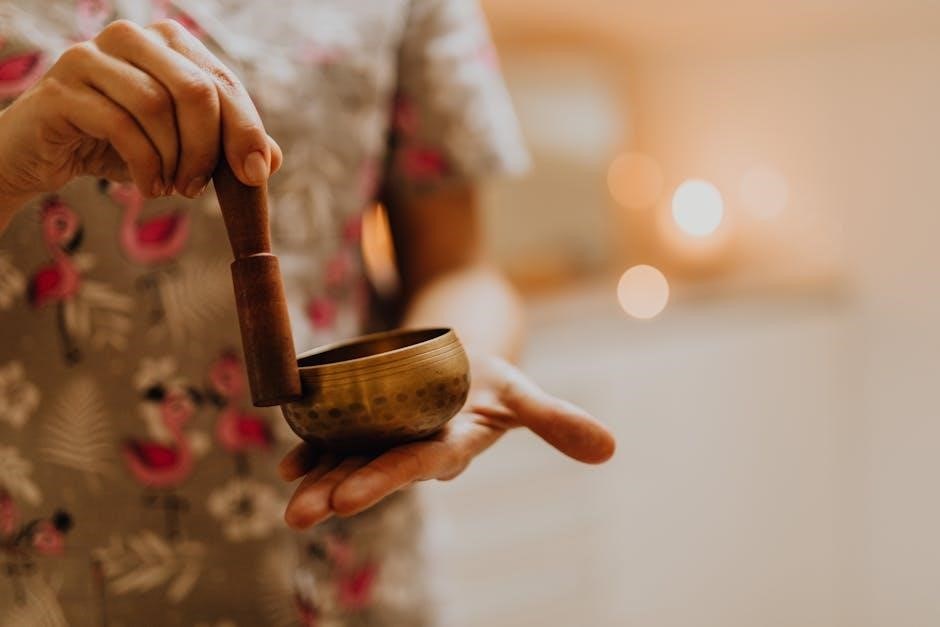
What is Guided Meditation?
Guided meditation primes the mind for relaxation, utilizing a guide’s voice to gently redirect focus and cultivate a calm, happy mental state over time.
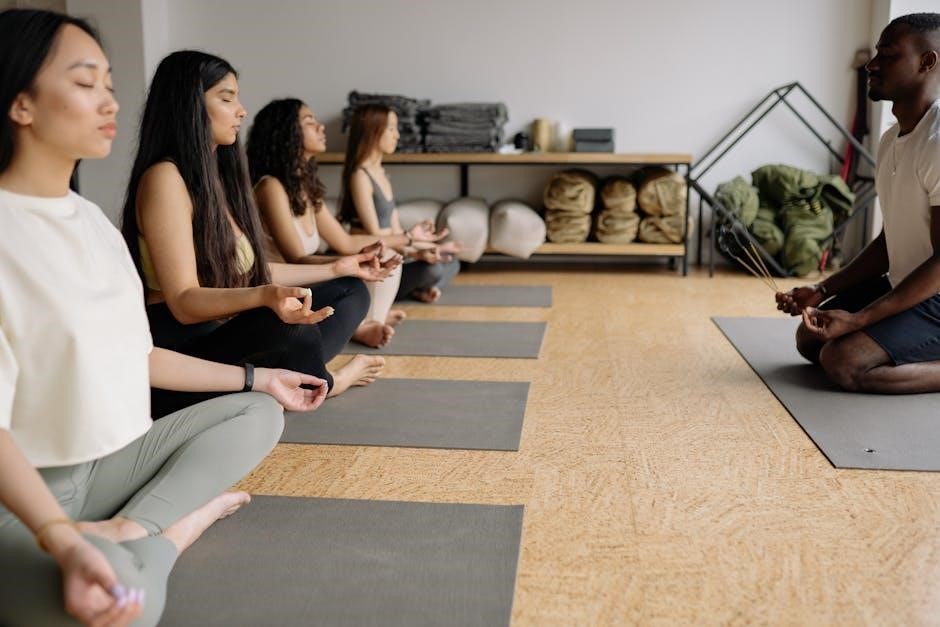
Definition and Core Principles
Guided meditation is a technique where a trained practitioner, or “guide,” verbally leads individuals through a meditative experience. This differs from unguided meditation by providing a structured focus, often employing imagery and suggestions to promote relaxation and self-awareness.

Core principles center around cultivating present moment awareness, accepting thoughts without judgment, and fostering a sense of inner peace. The guide’s voice serves as an anchor, gently bringing the mind back when it wanders – a natural occurrence during meditation.
A key aspect involves visualizing calming scenes, a “happy place,” which the brain learns to access independently with consistent practice. Ultimately, guided meditation aims to activate the parasympathetic nervous system, inducing a relaxation response and promoting overall well-being.
Historical Context: From Ancient Practices to Modern Science
Meditation’s roots trace back thousands of years to ancient Eastern traditions, including Hinduism and Buddhism, where it was integral to spiritual practices. These early forms often involved guided imagery and focused attention, laying the groundwork for modern techniques.
However, for many years, meditation remained largely outside the realm of Western scientific inquiry. It was often viewed as a fringe practice. A shift began in the latter half of the 20th century as researchers started investigating its psychological and physiological effects.
Today, guided meditation is increasingly recognized by the scientific community for its benefits, including stress reduction and improved mental health. This acceptance reflects a growing integration of ancient wisdom and modern scientific understanding, validating its efficacy.
The Science Behind Guided Meditation
Guided meditation activates the parasympathetic nervous system, signaling the body to relax and unwind, and has demonstrable impacts on brain patterns and neuroplasticity.
Activation of the Parasympathetic Nervous System
Guided meditation techniques, alongside practices like deep breathing, directly influence the body’s physiological state by activating the parasympathetic nervous system. This system is crucial for initiating a relaxation response, effectively counteracting the “fight or flight” stress response governed by the sympathetic nervous system.
When activated, the parasympathetic nervous system slows heart rate, lowers blood pressure, and promotes digestion – all indicators of a calm and restorative state. This physiological shift isn’t merely a feeling; it’s a measurable change within the body. Consequently, regular practice can help individuals better manage stress and anxiety, fostering a greater sense of overall well-being. The guide’s voice assists in initiating and sustaining this calming response.
Impact on Brain Patterns and Neuroplasticity
Guided meditation isn’t just about momentary relaxation; it induces lasting changes in brain structure and function through neuroplasticity. Western research confirms meditation’s positive psychological and mental effects, revealing alterations in brainwave patterns. Consistent visualization, particularly of a “happy place” as guided by a facilitator, strengthens neural pathways associated with calmness and positive emotions.
The brain’s inherent preference for patterns means repeated practice reinforces these beneficial pathways, making it easier to access a relaxed state independently. This neuroplasticity allows the brain to rewire itself, diminishing reactivity to stressors and enhancing emotional regulation. Ultimately, guided meditation cultivates a more resilient and balanced mental landscape.
Benefits of Guided Meditation
Guided meditation offers numerous benefits, including reduced stress and anxiety, improved sleep, increased self-awareness, and enhanced emotional well-being, fostering a healthier lifestyle.
Stress and Anxiety Reduction
Guided meditation effectively diminishes stress and anxiety by activating the parasympathetic nervous system, signaling the body to relax and unwind. This practice offers a pathway to calm amidst daily pressures, promoting a sense of inner peace. The guide’s voice gently redirects wandering thoughts, preventing the escalation of anxious feelings.
Regular practice cultivates a mental pattern of relaxation, allowing the brain to more readily access a calm state even outside of meditation. This is achieved through consistent visualization of peaceful scenarios, essentially training the mind to prioritize tranquility. Consequently, individuals experience a noticeable reduction in reactivity to stressors, fostering emotional resilience and overall well-being. It’s a proactive approach to mental health, offering a powerful tool for managing life’s challenges.
Improved Sleep Quality
Guided meditation significantly enhances sleep quality by calming racing thoughts that often impede falling and staying asleep. The practice encourages relaxation, preparing both mind and body for restorative rest. By activating the parasympathetic nervous system, it counteracts the physiological effects of stress, creating an optimal state for sleep onset.
Consistent use of guided meditation before bed establishes a calming bedtime routine, signaling to the brain that it’s time to unwind. The gentle guidance helps to release daytime tensions and anxieties, preventing them from disrupting sleep. Visualizations of peaceful environments further promote relaxation, fostering a sense of tranquility conducive to deep, restful sleep. This leads to improved sleep duration and overall sleep satisfaction.
Enhanced Self-Awareness
Guided meditation cultivates a deeper understanding of one’s internal landscape, fostering enhanced self-awareness. Through focused attention and gentle guidance, individuals become more attuned to their thoughts, feelings, and bodily sensations without judgment. This practice allows for the observation of mental patterns and emotional responses, leading to greater insight into personal tendencies.
The ability to observe one’s inner experience with detachment promotes self-compassion and acceptance. As the mind wanders – as it inevitably will – the guide’s voice gently redirects focus, strengthening the capacity for present moment awareness. This consistent practice builds a stronger connection to the self, facilitating a more authentic and mindful way of being, ultimately leading to personal growth.
Emotional Well-being and Regulation
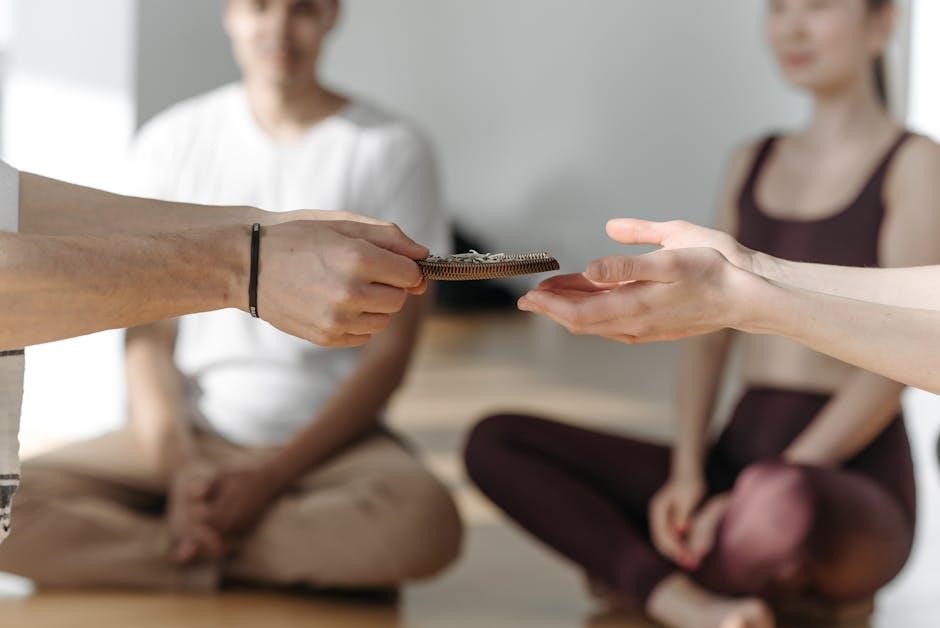
Guided meditation significantly contributes to emotional well-being by promoting regulation of feelings and fostering a sense of inner peace. The practice helps individuals develop a healthier relationship with their emotions, learning to observe them without being overwhelmed or controlled. By consistently visualizing a calm, happy place, the brain begins to associate these feelings with relaxation, naturally reducing reactivity.
This mindful approach allows for a more balanced emotional state, decreasing the intensity of negative emotions like stress and anxiety. The gentle guidance offered during meditation provides a safe space to explore and process difficult feelings, ultimately enhancing emotional resilience and promoting overall psychological health and a sense of calm.

How Guided Meditation Works
Guided meditation utilizes a guide’s voice to gently redirect wandering minds back to the present moment, fostering relaxation and cultivating inner calm.
The Role of the Guide’s Voice
The guide’s voice is central to the practice, acting as an anchor when the mind inevitably wanders. It gently redirects attention, preventing spiraling thoughts and encouraging a return to the present moment. This vocal guidance isn’t merely instructional; it’s a supportive presence, fostering a sense of safety and calm.
A skilled guide facilitates relaxation by prompting visualization – often of a “happy place” – leveraging the brain’s tendency to form patterns. Repeatedly visualizing calmness allows the brain to independently access that state. The tone and pacing of the voice are crucial, typically soothing and unhurried, promoting a deeper state of relaxation and receptivity. Ultimately, the guide’s voice isn’t about control, but about empowering the practitioner to cultivate their own inner peace.
Visualization Techniques and “Happy Place”
Visualization is a cornerstone of guided meditation, powerfully shaping the mental landscape. The practice frequently involves conjuring a “happy place” – a serene and personally meaningful environment. This isn’t simply about imagining a beautiful scene; it’s about engaging all senses, vividly experiencing the sights, sounds, smells, and sensations of that place.
Repeatedly visualizing this calming location trains the brain, establishing a neural pathway towards relaxation. As the brain recognizes this pattern, it can more readily access that peaceful state independently. A well-guided meditation will encourage detailed imagery, deepening the immersive experience. This technique leverages the brain’s plasticity, fostering a sense of well-being and providing a mental refuge accessible even outside of formal meditation sessions.
Bringing the Mind Back to the Present Moment
A core element of guided meditation is acknowledging and gently redirecting a wandering mind. It’s perfectly natural for thoughts to arise; the skill lies in non-judgmental awareness. A well-guided session doesn’t aim to stop thoughts, but to observe them without getting carried away.
The guide’s voice serves as an anchor, subtly bringing attention back to the breath, a body scan, or the visualization. This repeated practice strengthens the ability to stay grounded in the present. It’s a process of returning, again and again, without self-criticism. This cultivates mindfulness, reducing the tendency to dwell on the past or worry about the future, fostering a sense of calm and centeredness.
Different Types of Guided Meditation
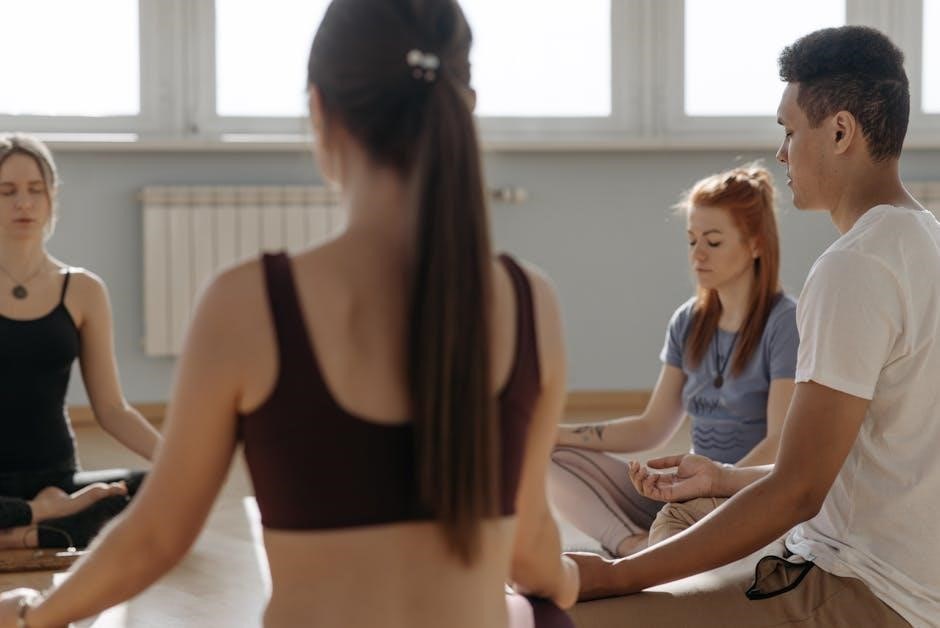
Well-guided practices include body scan meditation, loving-kindness (Metta) meditation, and progressive muscle relaxation, each offering unique pathways to inner peace and well-being.
Body Scan Meditation
Well-guided body scan meditation involves systematically focusing attention on different parts of the body, noticing sensations without judgment. This practice cultivates present moment awareness and a deeper connection to physical experience. The guide’s voice gently leads you through each body part, from toes to head, encouraging observation of any sensations – warmth, coolness, tingling, or pressure.
It’s a powerful technique for releasing tension, as it brings conscious awareness to areas where the body holds stress. By simply noticing these sensations, you allow the body to relax and unwind, activating the parasympathetic nervous system. Regular practice can enhance body awareness, reduce chronic pain, and promote overall well-being, offering a grounding and centering experience.
Loving-Kindness Meditation (Metta)
Well-guided Loving-Kindness Meditation, or Metta, centers on cultivating feelings of warmth, kindness, and compassion – first for oneself, then extending outwards to others. A skilled guide will lead you through phrases, traditionally including wishes for happiness, health, safety, and ease of well-being. You begin by directing these wishes towards yourself, acknowledging your own inherent worthiness of love and kindness.
Gradually, the practice expands to include loved ones, neutral individuals, difficult people, and ultimately, all beings. This systematic approach helps to break down barriers of separation and fosters a sense of interconnectedness. Metta meditation is profoundly effective in reducing self-criticism, increasing empathy, and promoting emotional resilience, nurturing a more compassionate heart.
Progressive Muscle Relaxation
Well-guided Progressive Muscle Relaxation (PMR) is a technique involving systematically tensing and releasing different muscle groups throughout the body. A skilled guide will lead you through this process, instructing you to focus on the sensations of tension and then, crucially, the release of that tension. Starting typically with the feet and progressing upwards, each muscle group is held in contraction for a short period, followed by a longer period of relaxation.
This deliberate contrast heightens awareness of physical sensations and helps to reduce overall muscle tension, a common symptom of stress and anxiety. PMR effectively activates the parasympathetic nervous system, signaling the body to relax and unwind, promoting a sense of calm and well-being. It’s a powerful tool for managing physical discomfort and improving sleep.
Integrating Guided Meditation into Daily Life
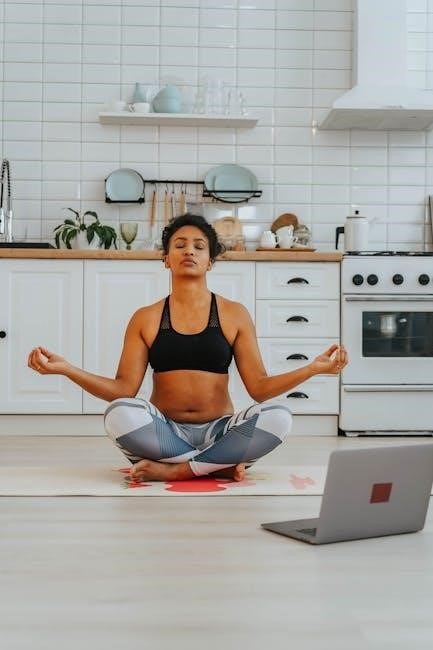
Well-guided practice can be incorporated at any time, but before bed is ideal for reducing racing thoughts and promoting easier, more restful sleep.
Best Times to Practice
Well-guided meditation seamlessly integrates into daily routines, though certain times amplify its benefits. Many find mornings particularly effective, setting a calm and focused tone for the day ahead. However, the evening presents a powerful opportunity to unwind and prepare for sleep.
Meditating before bed, as a well-guided practice, can significantly reduce racing thoughts, easing the transition into a peaceful slumber. Consistency is key; even short, regular sessions yield greater results than infrequent, lengthy ones. Experiment to discover what timing best suits your lifestyle and personal preferences.
Consider incorporating well-guided sessions during moments of stress or anxiety as a proactive coping mechanism. Ultimately, the “best” time is whenever you can consistently dedicate a few moments to nurture your mental and emotional well-being.
Resources: Apps, Websites, and Teachers
Embarking on a well-guided meditation journey is easier than ever with a wealth of accessible resources. Numerous apps, such as Calm and Headspace, offer extensive libraries of guided meditations catering to diverse needs and experience levels. Websites like Insight Timer provide free access to a vast collection of practices led by various teachers.
For those seeking personalized instruction, qualified meditation teachers can offer tailored guidance and support. Exploring local meditation centers or online directories can connect you with experienced professionals. A well-guided experience often benefits from expert instruction.
Remember to explore different resources to find what resonates with you, ensuring a sustainable and enriching practice. Prioritize quality and authenticity when selecting apps, websites, or teachers for a truly well-guided path.