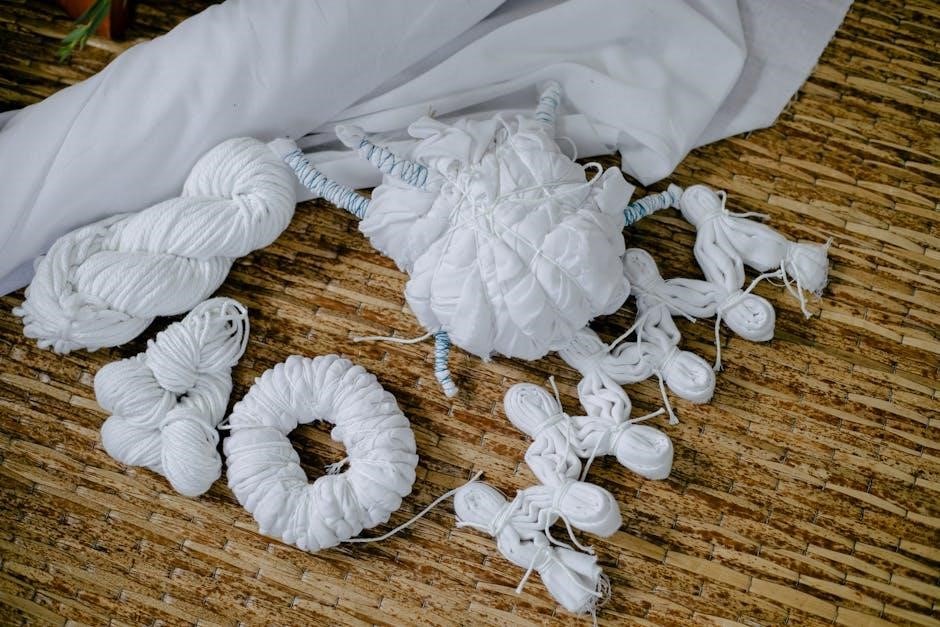
Tie-dyeing has surged in popularity‚ offering a creative outlet during times of isolation and a vibrant way to personalize clothing.
However‚ achieving a stunning tie-dye creation is only half the battle; preserving those brilliant colors requires careful washing techniques.
Successfully washing tie-dye involves understanding the unique challenges of removing excess dye and preventing color bleeding during subsequent washes.
The Post-Tie-Dye Challenge
Congratulations! You’ve transformed plain fabric into a vibrant masterpiece with tie-dye. But now comes a crucial step often underestimated – the post-dye washing process. This isn’t simply tossing the item into the machine with your regular laundry;
The initial wash presents a unique challenge: removing excess‚ unbonded dye without sacrificing the intensity of the colors you’ve worked so hard to achieve. Untreated‚ this loose dye will inevitably bleed‚ potentially ruining your newly created design and staining other garments.
Many first-time tie-dyers experience disappointment when their vibrant creations fade or bleed after the first wash‚ highlighting the importance of understanding and implementing proper washing protocols. It’s a rite of passage‚ but one easily avoided with the right knowledge!
Why Proper Washing Matters
Proper washing isn’t merely about cleanliness; it’s about preserving the artistry and vibrancy of your tie-dye project. Failing to follow correct procedures can lead to significant color fading‚ resulting in a muted and disappointing final product. Beyond aesthetics‚ improper washing contributes to dye bleeding‚ potentially staining other clothes and diminishing the lifespan of your tie-dye.
The dye molecules in tie-dye aren’t fully bonded to the fabric initially. Aggressive washing – using hot water‚ harsh detergents‚ or bleach – can strip away these unbound molecules‚ causing irreversible color loss.
Investing time in a careful washing routine safeguards your creation‚ ensuring it remains a colorful and cherished item for years to come. It’s about respecting the process and protecting your artistic investment.
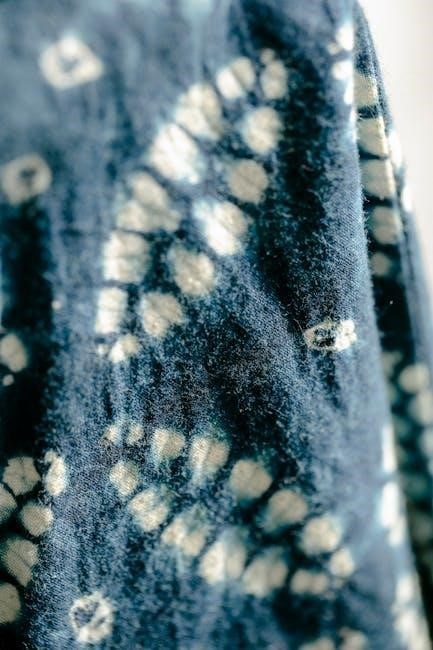
Initial Rinse: Removing Excess Dye
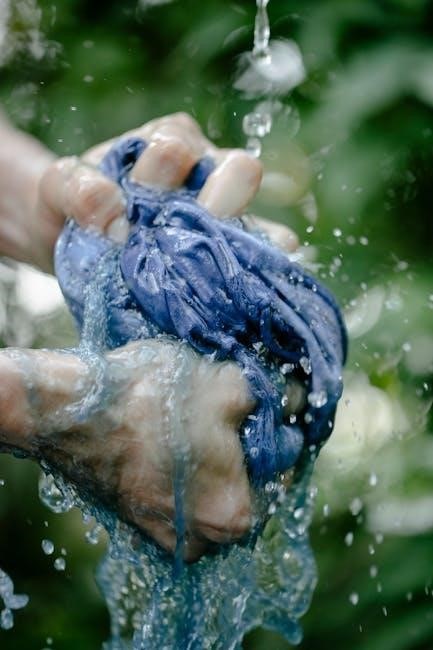
Begin by rinsing your tie-dye project in cold water‚ a crucial first step to eliminate unbound dye before it sets permanently into the fabric.
Cold Water Rinse Technique
Start with a gentle stream of cold water directed at the tie-dye item‚ avoiding a forceful jet that could spread the dye. Gradually increase the water flow as the initial excess dye begins to release.
Continue rinsing‚ gently agitating the fabric with your hands to help dislodge the dye. Avoid wringing or twisting‚ as this can cause the colors to blend and bleed. The water will initially appear vividly colored; this is expected.
Patience is key! Rinse repeatedly‚ switching between different sections of the garment‚ until the water runs relatively clear. This process can take a significant amount of time‚ sometimes 10-20 minutes or even longer‚ depending on the dye concentration and fabric type. A thorough initial rinse is vital for preventing dye from bleeding in later washes.
The Importance of Rinsing Until Water Runs Clear
Achieving clear water during rinsing isn’t merely aesthetic; it’s crucial for preventing dye transfer and ensuring colorfastness. Lingering dye molecules will readily bleed onto other fabrics during washing‚ ruining garments and diminishing the vibrancy of your tie-dye.
Insufficient rinsing compromises the dye bonding process‚ leading to noticeable fading with each subsequent wash. A thorough rinse removes unbonded dye particles‚ maximizing the dye’s adherence to the fabric fibers.
Don’t be fooled by seemingly clear water – inspect closely! Subtle tints indicate residual dye. Continue rinsing until the water is completely transparent‚ even under bright light. This diligent step safeguards your tie-dye’s brilliance and protects your other laundry from unwanted color contamination.
Vinegar or Soda Ash Soak
Following the initial rinse‚ a soak in either vinegar or soda ash significantly enhances color retention. These solutions neutralize remaining dye‚ preventing future bleeding.
Both options effectively set the dye within the fabric‚ resulting in a more durable and vibrant finished product.
Benefits of a Vinegar Soak
A vinegar soak offers a readily available and gentle method for setting the dye in your tie-dye project. White vinegar‚ specifically‚ works by balancing the pH level of the fabric‚ encouraging the dye molecules to bind more effectively with the fibers. This process minimizes dye release during subsequent washes‚ leading to brighter‚ longer-lasting colors.
The acidity of the vinegar also helps to remove any residual dye that wasn’t fully rinsed away in the initial cold water rinse. Simply add approximately one cup of white vinegar to a basin of cold water and submerge your tie-dye item for around 20-30 minutes. This step is particularly beneficial for reactive dyes‚ commonly used in tie-dyeing‚ as they are sensitive to pH changes. It’s a simple‚ cost-effective way to safeguard your colorful creations!
Using Soda Ash for Color Setting
Soda ash (sodium carbonate) is a powerful alkaline agent frequently used in tie-dyeing to enhance dye absorption and‚ crucially‚ improve colorfastness. Unlike vinegar‚ which adjusts pH downwards‚ soda ash raises it‚ creating an optimal environment for reactive dyes to bond permanently with the fabric. This results in significantly reduced fading and bleeding‚ even after numerous washes.
To utilize soda ash‚ dissolve approximately one cup in a gallon of cold water‚ ensuring it’s fully dissolved before adding your tie-dye item. Soak for 15-20 minutes‚ then proceed with rinsing. Caution: Soda ash is an irritant‚ so wear gloves and eye protection. While highly effective‚ it’s often used before dyeing‚ but a post-dye soak can further solidify the color. It’s a key step for professional-quality‚ vibrant tie-dye!
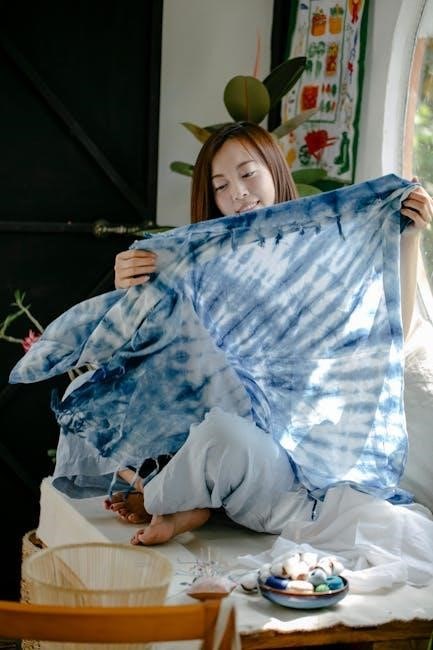
Washing Your Tie-Dye for the First Time
The initial wash is critical; use hot water and a mild detergent to set the remaining dye and prevent future color loss effectively.
Hot Water and Mild Detergent
For the very first wash‚ embrace the power of hot water! While it seems counterintuitive to heat after all that effort to preserve color‚ hot water actually aids in setting the dye within the fabric fibers. This initial hot water wash is a crucial step in ensuring long-lasting vibrancy.
However‚ detergent choice is paramount. Steer clear of harsh chemicals‚ enzymes‚ or bleach – these can strip the dye and cause significant fading. Opt for a mild‚ color-safe detergent specifically designed for delicate fabrics. A gentle formula will effectively remove excess dye without compromising the intensity of your tie-dye masterpiece.
Consider washing alone during this first cycle to avoid any accidental color transfer. This precaution safeguards both your tie-dye and other garments in your laundry load‚ guaranteeing a successful and colorful outcome. Remember‚ a little extra care now translates to years of enjoyment!
Avoiding Harsh Chemicals and Bleach
Protecting your tie-dye’s vibrancy hinges on diligently avoiding harsh chemicals‚ particularly bleach. Bleach is a notorious color-stripper and will relentlessly fade your carefully crafted designs‚ potentially leaving you with a washed-out‚ disappointing result. Even seemingly mild detergents containing optical brighteners can contribute to fading over time.
Enzymes found in some detergents can also break down the dye molecules‚ diminishing the intensity of the colors. Always scrutinize the ingredient list before selecting a detergent. Look for formulas explicitly labeled as “color-safe” or designed for delicate fabrics‚ ensuring they lack harsh bleaching agents or enzymatic components.
Prioritize gentle cleaning. The goal isn’t aggressive stain removal‚ but rather the careful removal of excess dye without sacrificing the artwork you’ve created. A mild approach will preserve the brilliance and longevity of your tie-dye for years to come.

Subsequent Washes: Maintaining Vibrancy
To keep tie-dye bright‚ wash with similar colors and utilize color-safe detergents. This simple practice minimizes dye transfer and preserves the initial vibrancy.
Washing with Similar Colors
When laundering your tie-dye garments after the initial washes‚ a crucial step in maintaining color vibrancy is to wash them with items of similar hues. This practice significantly reduces the risk of dye transfer‚ preventing unwanted color bleeding onto other clothes in the wash.
Avoid combining your brightly colored tie-dye with light-colored clothing‚ especially whites‚ as the excess dye‚ even after initial rinsing‚ can still leach out during the wash cycle. Grouping tie-dye items with other similarly colored garments – for example‚ washing all your blues and purples together – creates a safer environment for preserving the integrity of each color.
Think strategically about your laundry loads; this simple sorting technique will extend the life and brilliance of your tie-dye creations for years to come‚ ensuring they remain a cheerful addition to your wardrobe.
Using Color-Safe Detergents
Selecting the right detergent is paramount when washing tie-dye‚ as harsh chemicals can strip the vibrant colors and accelerate fading. Opt for detergents specifically formulated to be color-safe; these are designed to be gentler on dyed fabrics‚ minimizing color loss with each wash.
Avoid detergents containing bleach or optical brighteners‚ as these can actively diminish the intensity of the dyes. Liquid detergents are generally preferred over powdered detergents‚ as they dissolve more completely and are less likely to leave residue on the fabric.
Consider detergents marketed for delicate fabrics or those specifically designed for brightly colored clothes; these often contain ingredients that help lock in the dye and protect against fading‚ ensuring your tie-dye remains vibrant for a longer period.
Drying Methods for Tie-Dye
Air drying is the preferred method to preserve tie-dye colors‚ as heat from a dryer can accelerate fading over time.
However‚ if using a dryer‚ select a low heat setting to minimize color loss and maintain the vibrancy of your designs.
Air Drying for Long-Lasting Color

Air drying is widely recommended as the superior method for preserving the vibrant colors of your newly tie-dyed creations. Unlike the heat generated by a machine dryer‚ air drying minimizes the risk of fading and ensures the dye remains locked within the fabric fibers for a longer period.
To effectively air dry your tie-dye‚ begin by gently removing any excess water. Lay the garment flat on a clean‚ dry surface‚ such as a drying rack or a towel-covered table. Avoid direct sunlight‚ as prolonged exposure can also contribute to fading.
Turning the garment over periodically will promote even drying and prevent any potential color transfer. While it may take longer than using a dryer‚ the extended lifespan of your tie-dye’s brilliant hues makes the extra time well worth the effort. This gentle approach truly safeguards your artistic investment!
Dryer Use: Potential for Fading
While convenient‚ using a dryer to dry your tie-dye garments presents a significant risk of color fading. The high heat involved in the drying process can cause the dye molecules to break down‚ resulting in a noticeable dulling of the vibrant colors you initially achieved.
If you choose to use a dryer‚ it’s crucial to select the lowest heat setting possible. A cool or delicate cycle is highly recommended to minimize heat exposure. Even with these precautions‚ some degree of fading is almost inevitable over time.
Consider turning the garment inside out before placing it in the dryer‚ which can offer a small degree of protection. However‚ remember that air drying consistently remains the best practice for preserving the longevity and brilliance of your tie-dye projects‚ safeguarding your colorful creations.

Preventing Dye Bleeding
To avoid color transfer‚ always wash new tie-dye items separately or with similar colors‚ and consider washing them inside out for added protection.
Washing Inside Out
Turning your tie-dye garment inside out before placing it in the washing machine is a remarkably simple yet incredibly effective strategy for minimizing dye bleeding and preserving the vibrancy of your colorful creation. This technique significantly reduces the direct friction between the dyed fabric and other items in the wash‚ lessening the opportunity for color transfer.
The exterior of the tie-dye‚ bearing the most concentrated dye‚ is shielded‚ while the inner side‚ with less dye concentration‚ faces the washing action; This simple act can dramatically extend the life of your tie-dye’s brilliant hues‚ keeping them looking fresh and vibrant wash after wash. It’s a small step with a substantial impact on maintaining the beauty of your handmade artwork!
Separating Tie-Dye from Other Laundry
Washing your tie-dye items separately from other laundry is crucial‚ especially during the initial washes. Even with careful rinsing and color-setting techniques‚ some residual dye may still be present‚ posing a risk of staining lighter-colored garments. Avoid combining your tie-dye with whites‚ pastels‚ or any clothing you’re particularly concerned about protecting.
Consider dedicating a specific wash load solely for your tie-dye creations‚ or grouping them together with similarly colored items. This precaution minimizes the potential for accidental dye transfer and ensures that your vibrant tie-dye pieces remain brilliantly colored without compromising the integrity of your other clothes. It’s a simple safeguard for peace of mind!
Troubleshooting Common Issues
Fading and dye bleeding are common concerns with tie-dye. Addressing these issues promptly with re-washing and color-safe detergents can restore vibrancy.
Fading Colors
Color fading is an inevitable part of the tie-dye process‚ but several steps can significantly slow it down. Initially‚ ensure a thorough rinse until the water runs completely clear‚ removing all loose dye particles.
Air drying‚ while taking longer‚ is far superior to machine drying‚ as the high heat of a dryer accelerates fading. When machine drying is unavoidable‚ use a low heat setting.
Consistent use of color-safe detergents is crucial; harsh chemicals and bleach will strip the dye. Consider a vinegar soak during initial washes to help set the colors‚ and always wash tie-dye items inside out to protect the vibrant surface from abrasion.
Remember‚ even with the best care‚ some fading will occur over time‚ contributing to the unique‚ lived-in look of your tie-dye creations!
Dye Bleeding onto Other Clothes
Dye bleeding is a common concern with newly tie-dyed items‚ potentially ruining other garments. To minimize this risk‚ always wash your tie-dye separately for the first few washes – don’t combine it with light-colored clothing.
Washing inside out helps contain loose dye particles. A cold water rinse‚ followed by a soak in cold water with vinegar or soda ash‚ aids in setting the dye and reducing bleed.
Even after initial washes‚ it’s wise to wash tie-dye with similar colors. Using color-safe detergents is paramount‚ as harsh chemicals can exacerbate bleeding.
If bleeding occurs‚ avoid using hot water and consider re-washing the affected item alone with a color-catching sheet to absorb any released dye.