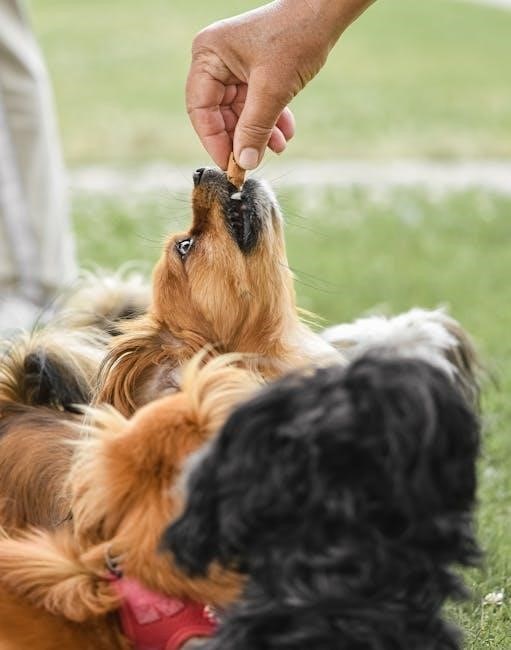
Great Dane puppies demand a carefully planned feeding strategy‚ ensuring they mature into strong and healthy adults. These iconic dogs require specialized nutrition to support their rapid growth and overall well-being.
Without proper dietary management‚ these gentle giants are susceptible to health concerns like joint issues or obesity‚ making understanding optimal feeding practices absolutely essential for their development.
Why Specialized Nutrition is Crucial
Great Danes experience an exceptionally rapid growth phase during puppyhood‚ far exceeding that of smaller breeds. This accelerated development places immense demands on their nutritional intake‚ making specialized nutrition absolutely critical for healthy skeletal and muscular development. Unlike other breeds‚ a Great Dane puppy’s body requires a precise balance of nutrients to support this intense growth without compromising long-term health.
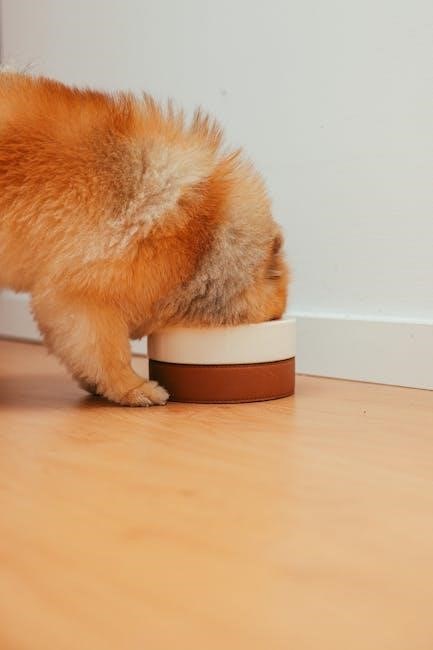
Insufficient or imbalanced nutrition can lead to developmental orthopedic diseases (DOD)‚ such as hip dysplasia‚ osteochondrosis‚ and panosteitis. These conditions can cause pain‚ lameness‚ and reduced quality of life. Furthermore‚ improper feeding can contribute to obesity‚ which exacerbates joint problems and increases the risk of bloat – a life-threatening condition common in Great Danes.
Therefore‚ a diet specifically formulated for large-breed puppies is not merely beneficial‚ but essential for ensuring a Great Dane puppy reaches its full potential‚ both physically and functionally.
Rapid Growth & Potential Health Concerns
The astonishing growth rate of Great Dane puppies‚ while impressive‚ presents unique challenges and potential health concerns. This rapid development‚ if not carefully managed through nutrition‚ can outpace bone development‚ leading to skeletal issues. Puppies growing too quickly are at a heightened risk of developing developmental orthopedic diseases (DOD)‚ impacting their joints and overall mobility.
Specifically‚ conditions like hip dysplasia‚ elbow dysplasia‚ and osteochondrosis dissecans (OCD) are more prevalent in rapidly growing large breeds. Beyond skeletal problems‚ excessive growth can also strain the cardiovascular system. Maintaining an appropriate growth rate‚ through controlled feeding‚ is vital for minimizing these risks.
Furthermore‚ Great Danes are predisposed to bloat (gastric dilatation-volvulus)‚ a life-threatening condition. While not directly caused by growth rate‚ improper feeding practices can contribute to its occurrence. Therefore‚ a mindful approach to feeding is paramount for a healthy Great Dane puppy.

Choosing the Right Food for Your Great Dane Puppy
Selecting a suitable diet is paramount for your Great Dane puppy’s health‚ requiring careful consideration of formulas specifically designed to support their unique growth needs and prevent issues.
Importance of Large Breed Puppy Formulas
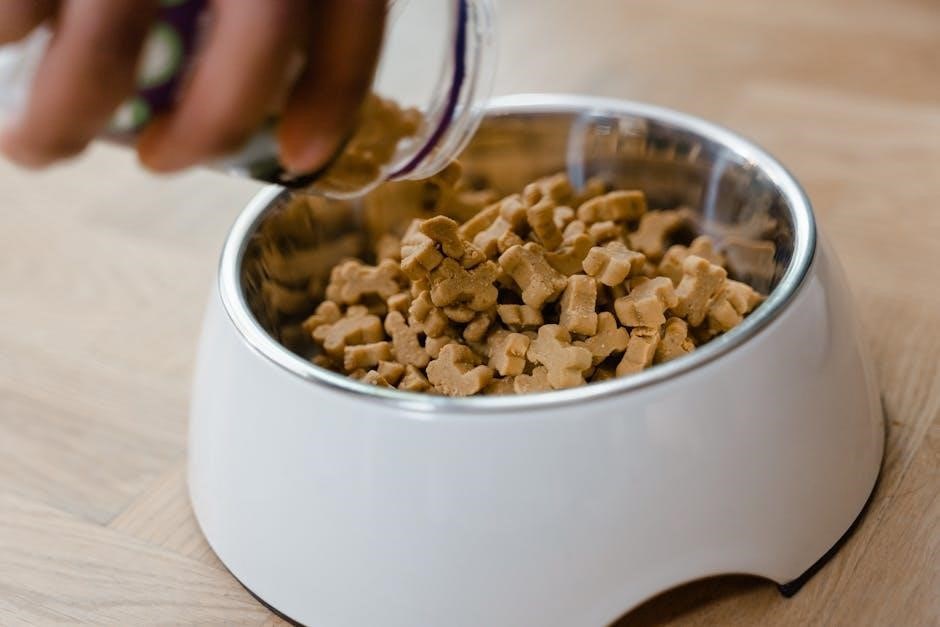
Great Dane puppies experience incredibly rapid growth‚ a characteristic that distinguishes them from smaller breeds and necessitates a specialized nutritional approach. Standard puppy food formulations often contain excessive calcium and energy levels‚ which can unfortunately contribute to developmental orthopedic diseases in large and giant breeds.
Large breed puppy formulas are meticulously crafted to address these specific needs. They feature a carefully balanced calcium-to-phosphorus ratio‚ promoting controlled bone growth and minimizing the risk of skeletal abnormalities like hip dysplasia or osteochondrosis.
Furthermore‚ these formulas typically incorporate moderate levels of protein and fat‚ supporting sustained growth rather than accelerated development. This controlled growth rate is crucial for allowing bones and joints to mature at a healthy pace‚ ultimately reducing the likelihood of long-term orthopedic problems. Choosing a large breed puppy formula is‚ therefore‚ a proactive step towards ensuring your Great Dane enjoys a lifetime of mobility and comfort.
Key Ingredients to Look For
When selecting a food for your Great Dane puppy‚ prioritize formulas featuring high-quality protein sources as the primary ingredients. Look for named meat meals like chicken‚ lamb‚ or fish‚ indicating a substantial protein content crucial for muscle development and overall growth.
Essential fatty acids‚ particularly DHA and EPA‚ are vital for brain and vision development‚ contributing to cognitive function and a healthy coat. These are often sourced from fish oil or flaxseed.
Antioxidants‚ such as Vitamin E and Vitamin C‚ bolster the immune system‚ protecting against illness during this critical growth phase. Additionally‚ glucosamine and chondroitin support joint health‚ proactively addressing the predisposition to orthopedic issues in Great Danes. A moderate level of fiber aids digestion‚ promoting gut health and nutrient absorption. Carefully reviewing the ingredient list ensures your puppy receives a well-rounded‚ supportive diet.
Ingredients to Avoid
When choosing food for your Great Dane puppy‚ steer clear of formulas containing excessive fillers like corn‚ wheat‚ and soy‚ as these offer limited nutritional value and can contribute to digestive upset. Artificial colors‚ flavors‚ and preservatives should also be avoided‚ as they provide no benefit and may trigger sensitivities.
Be cautious of foods with BHA‚ BHT‚ and ethoxyquin‚ which are potentially harmful preservatives; Excessive calcium levels are particularly detrimental to Great Dane puppies‚ potentially leading to skeletal abnormalities during rapid growth.
Avoid ingredients that commonly cause allergies‚ such as dairy or gluten‚ unless specifically recommended by your veterinarian. Look closely at protein sources; vague terms like “meat by-products” offer little clarity regarding quality. Prioritizing whole‚ recognizable ingredients ensures your puppy receives optimal nutrition without unnecessary risks.
Feeding Schedule & Portion Control
Establishing a consistent feeding schedule and carefully controlling portion sizes are vital for Great Dane puppies‚ supporting healthy growth and preventing developmental issues.
Adjusting meal frequency and quantity based on age and individual needs ensures optimal nutrition and minimizes the risk of over or underfeeding.
Feeding Frequency by Age (8-12 weeks)
During the initial stages‚ from 8 to 12 weeks of age‚ Great Dane puppies require frequent‚ smaller meals to support their rapidly developing systems. Typically‚ puppies at this age should be fed four times daily. This frequent feeding schedule aids in maintaining stable blood sugar levels and prevents overwhelming their digestive systems.
Portion control is crucial; each meal should consist of a measured amount of high-quality large breed puppy food. Consult with your veterinarian to determine the precise quantity based on your puppy’s weight and individual growth rate. Avoid free-feeding‚ as it can lead to overeating and rapid‚ uncontrolled growth‚ potentially increasing the risk of skeletal problems.
Monitor your puppy’s body condition closely. You should be able to feel‚ but not easily see‚ their ribs. Adjust portion sizes accordingly to maintain a healthy weight and body condition score. Remember‚ slow and steady growth is the goal during this critical developmental phase;
Feeding Frequency by Age (3-6 months)
As your Great Dane puppy progresses from 3 to 6 months‚ their feeding schedule can transition to three meals per day. While still requiring a substantial amount of food to fuel their continued growth‚ their digestive systems become more capable of handling larger portions less frequently.
Continue to prioritize a large breed puppy formula‚ ensuring it meets the specific nutritional needs of a rapidly growing giant breed. Monitor their weight and body condition closely‚ adjusting portion sizes as needed to maintain a healthy growth rate. Avoid allowing them to become overweight‚ as this can exacerbate joint and bone development issues.
Consistent monitoring of their body condition score is vital. You should still be able to feel their ribs with a slight fat covering. Work closely with your veterinarian to ensure your puppy is growing at an appropriate pace and receiving the optimal amount of nutrition for their individual needs.
Feeding Frequency by Age (6-12 months)
Between 6 and 12 months of age‚ your Great Dane puppy’s growth rate will begin to slow down‚ though they are still actively developing. You can typically transition to feeding them twice a day‚ offering larger‚ more substantial meals at each feeding. Continue using a high-quality large breed puppy formula‚ carefully monitoring their weight and body condition.
While growth is slowing‚ it’s crucial not to overfeed‚ as rapid growth can still contribute to skeletal problems. Maintaining a lean body condition is paramount. Regularly assess their body condition score – you should be able to feel‚ but not prominently see‚ their ribs.
Consult with your veterinarian to determine the appropriate portion sizes based on your puppy’s individual needs and activity level. This is a critical period for establishing healthy eating habits that will support their long-term health and well-being.
Understanding Calorie Needs & Weight Monitoring
Precisely calculating daily calorie requirements and consistently monitoring your Great Dane puppy’s weight are vital for healthy growth and preventing developmental issues.
Calculating Daily Calorie Requirements
Determining the precise daily caloric intake for your Great Dane puppy isn’t a one-size-fits-all calculation‚ as it depends on several factors including age‚ weight‚ activity level‚ and metabolism. A general starting point is to estimate around 600-800 calories per day for an 8-12 week old puppy‚ gradually increasing as they grow.
However‚ relying solely on age-based estimations can be inaccurate. A more precise method involves using a Resting Energy Requirement (RER) formula: RER = 70 x (body weight in kilograms ^0.75). Then‚ multiply the RER by a growth factor. For puppies between 8-12 weeks‚ use a growth factor of 3.0. For puppies 3-6 months old‚ use a factor of 2.0‚ and 6-12 months‚ a factor of 1.5.
Remember to adjust these calculations based on your puppy’s individual body condition. Always consult with your veterinarian to establish a personalized feeding plan tailored to your Great Dane puppy’s specific needs and monitor their weight regularly.
Monitoring Your Puppy’s Body Condition Score
Regularly assessing your Great Dane puppy’s Body Condition Score (BCS) is crucial for ensuring they’re receiving the appropriate amount of food. The BCS is a visual and tactile assessment of their fat cover. A healthy puppy will have a visible waistline when viewed from above and you should be able to feel‚ but not prominently see‚ their ribs.
A score of 5/9 is ideal – ribs are palpable with slight fat covering. A score of 3/9 indicates the puppy is underweight (ribs easily visible‚ no palpable fat)‚ while a score of 7/9 suggests overweight (difficult to feel ribs‚ obvious fat deposits).
Avoid allowing your puppy to become overweight‚ as rapid growth exacerbated by overfeeding can contribute to skeletal problems. Consistent monitoring‚ combined with weight checks and adjustments to their diet‚ will help maintain a healthy BCS and support optimal development throughout their puppyhood.
Addressing Common Feeding Challenges
Great Dane puppies can present unique feeding hurdles‚ including bloat prevention‚ managing growth rates‚ and overcoming picky eating habits‚ requiring proactive and informed strategies.
Preventing Bloat (Gastric Dilatation-Volvulus)
Bloat‚ or Gastric Dilatation-Volvulus (GDV)‚ is a life-threatening condition particularly prevalent in Great Danes due to their deep chests. Prevention is paramount‚ and several feeding strategies can significantly reduce the risk. Avoid large‚ single meals; instead‚ divide your puppy’s daily ration into multiple‚ smaller feedings throughout the day.
Slow feeding is crucial. Utilize slow-feeder bowls designed to prevent rapid ingestion of food‚ minimizing air intake. Discourage vigorous exercise immediately before or after meals – allow at least an hour for digestion. Elevating the food bowl was previously recommended‚ but recent research suggests it may not be beneficial and could even increase risk.
Carefully monitor your puppy for signs of restlessness‚ unproductive retching‚ or a distended abdomen‚ and seek immediate veterinary attention if observed. Understanding these preventative measures is vital for safeguarding your Great Dane puppy’s health and well-being.
Managing Rapid Growth & Bone Development
Great Dane puppies experience an exceptionally rapid growth phase‚ making careful nutritional management critical for healthy bone development. Overly rapid growth can contribute to skeletal issues like hip dysplasia‚ osteochondrosis‚ and panosteitis. The goal isn’t to maximize growth rate‚ but to support consistent‚ controlled development.
Large breed puppy formulas are specifically designed to regulate calcium and phosphorus levels‚ preventing imbalances that can disrupt bone formation; Avoid supplementing with extra calcium‚ as this can exacerbate growth problems. Maintaining a lean body condition is also vital; excess weight puts undue stress on developing joints.
Prioritize a diet that supports a slower‚ more sustainable growth rate. Remember‚ a puppy growing at a slightly slower pace will ultimately reach the same adult size‚ but with a significantly reduced risk of debilitating skeletal diseases. Consistent monitoring and adjustments are key.
Dealing with Picky Eaters
Great Dane puppies‚ like many breeds‚ can sometimes exhibit picky eating habits‚ which can be concerning given their substantial nutritional needs. It’s important to differentiate between genuine appetite changes and simple fussiness. Rule out any underlying medical issues with a veterinary checkup first.
Avoid becoming a short-order cook‚ constantly switching foods to appease your puppy. This reinforces the behavior. Instead‚ offer the designated food for a reasonable period (15-20 minutes)‚ then remove it‚ even if uneaten. Consistency is key. Warming the food slightly can enhance its aroma and palatability.
Hand-feeding occasionally can rebuild trust‚ but shouldn’t become a routine. Ensure the puppy is receiving adequate exercise‚ as this can stimulate appetite. If pickiness persists‚ consult with your veterinarian or a veterinary nutritionist for tailored advice.
Supplements and Additional Considerations
Maintaining a precise calcium and phosphorus balance is vital for Great Dane puppy bone development‚ alongside ensuring adequate protein intake to support their substantial growth.
Calcium and Phosphorus Balance
Great Dane puppies are particularly sensitive to imbalances in calcium and phosphorus levels during their rapid growth phase. Maintaining the correct ratio – generally around 1.2:1 to 2:1 calcium to phosphorus – is absolutely crucial for healthy skeletal development. Too much calcium can actually impede bone growth and increase the risk of developmental orthopedic diseases‚ such as hypertrophic osteodystrophy (HOD) and osteochondrosis dissecans (OCD).
Conversely‚ insufficient calcium can lead to weakened bones and increased susceptibility to fractures. It’s essential to choose a large-breed puppy food formulated by a veterinary nutritionist to ensure these minerals are present in the appropriate proportions. Avoid adding calcium supplements unless specifically directed by your veterinarian‚ as this can easily disrupt the delicate balance. Regularly consult with your vet to monitor your puppy’s growth and adjust their diet as needed‚ ensuring optimal calcium and phosphorus intake for a strong and healthy future.
The Role of Protein in Growth
Protein is undeniably vital for the growth and development of Great Dane puppies‚ serving as the building block for muscles‚ tissues‚ and bones. However‚ a common misconception exists regarding protein levels in large-breed puppy diets. While essential‚ excessive protein intake doesn’t necessarily equate to faster or better growth and can‚ in fact‚ contribute to skeletal problems.
The focus should be on high-quality protein sources‚ easily digestible and providing a complete amino acid profile. Aim for a moderate protein level‚ typically around 23-26%‚ in a large-breed puppy formula. Controlled protein intake‚ coupled with appropriate calcium and phosphorus levels‚ supports steady‚ consistent growth‚ minimizing the risk of developmental orthopedic diseases. Prioritize quality over quantity‚ and always consult with your veterinarian to determine the optimal protein level for your individual puppy’s needs and growth rate.