What is a Pescatarian Diet?
A pescatarian diet centers around plant-based foods—fruits, vegetables, grains, and legumes—supplemented with fish and seafood as primary protein sources.
Definition and Core Principles
Pescatarianism isn’t a rigid diet, but rather a flexible eating pattern. It fundamentally involves excluding all meat – beef, pork, poultry – while including fish and seafood. This distinguishes it from vegetarianism, which typically avoids all animal flesh.
The core principle revolves around prioritizing whole, unprocessed foods. Fruits, vegetables, whole grains (like quinoa and brown rice), and legumes (beans, lentils) form the foundation. Healthy fats from sources like avocados, nuts, seeds, and olive oil are also encouraged.
Essentially, it’s a diet that seeks to combine the health benefits associated with plant-based eating with the nutritional advantages of incorporating fish – particularly the omega-3 fatty acids found in many seafood varieties.
Historical Context and Rising Popularity
While not formally named until the early 2000s, the practice of primarily eating fish alongside plant-based foods has roots in coastal cultures worldwide for centuries. Historically, populations near oceans and rivers naturally relied on seafood as a staple protein source.
However, its recent surge in popularity is linked to the growing awareness of health benefits and environmental concerns. The rising tide of plant-based eating trends – vegetarianism and veganism – has also brought pescatarianism into the spotlight.
Celebrity endorsements, like Harry Styles adopting the diet, further contribute to its appeal. Increasingly, individuals are seeking a more sustainable and ethically conscious approach to eating, making pescatarianism a compelling option.
Pescatarian Food List: Core Components

The foundation of a pescatarian diet includes fish, seafood, plant-based proteins, whole grains, and a vibrant array of fruits and vegetables for optimal health.
Fish & Seafood – A Detailed Breakdown
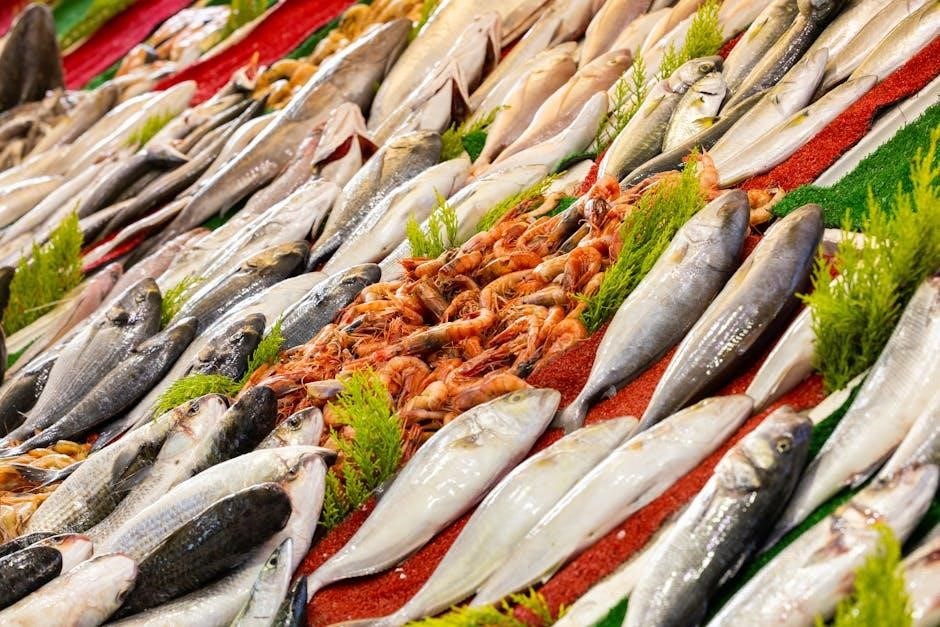
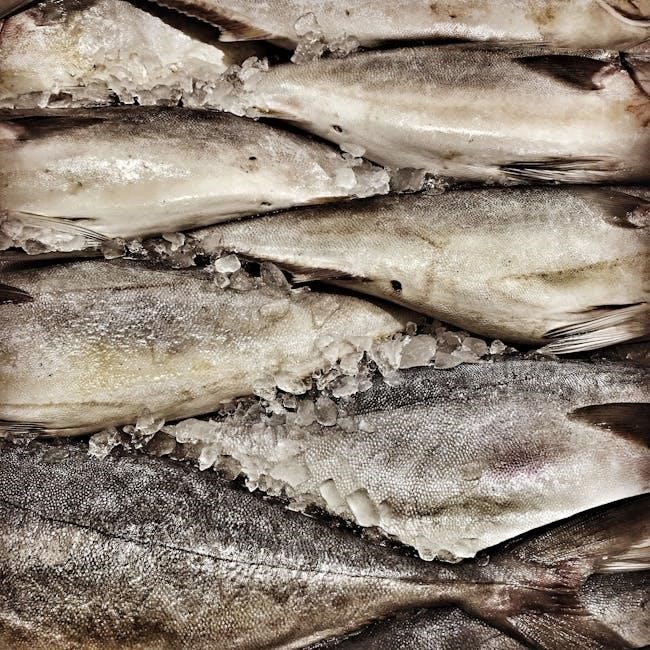
Pescatarians enjoy a diverse range of fin fish like salmon, tuna, cod, and mackerel, all excellent sources of omega-3 fatty acids. Shellfish, including shrimp, crab, lobster, and mussels, also feature prominently, offering unique flavors and nutrients.
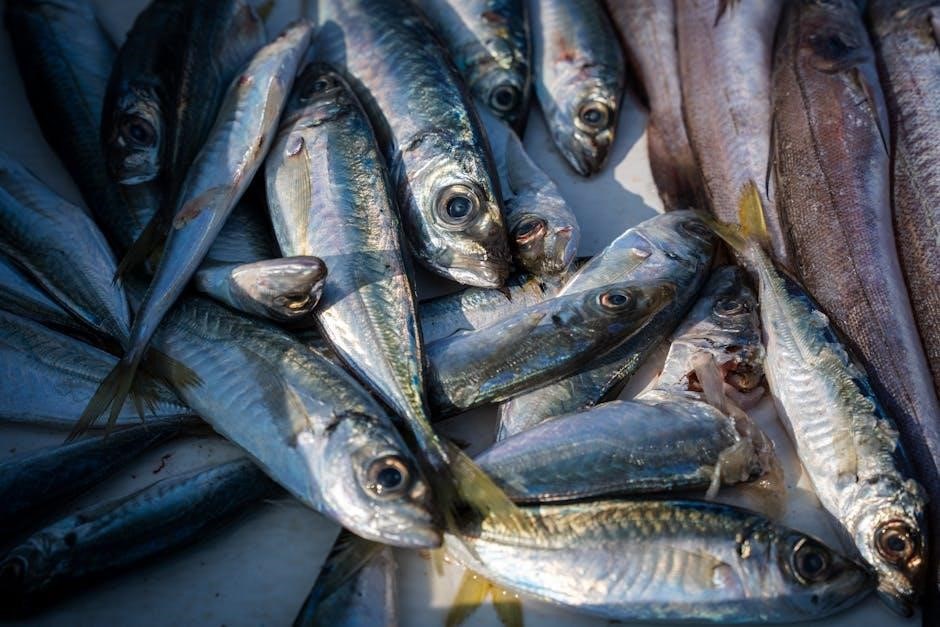
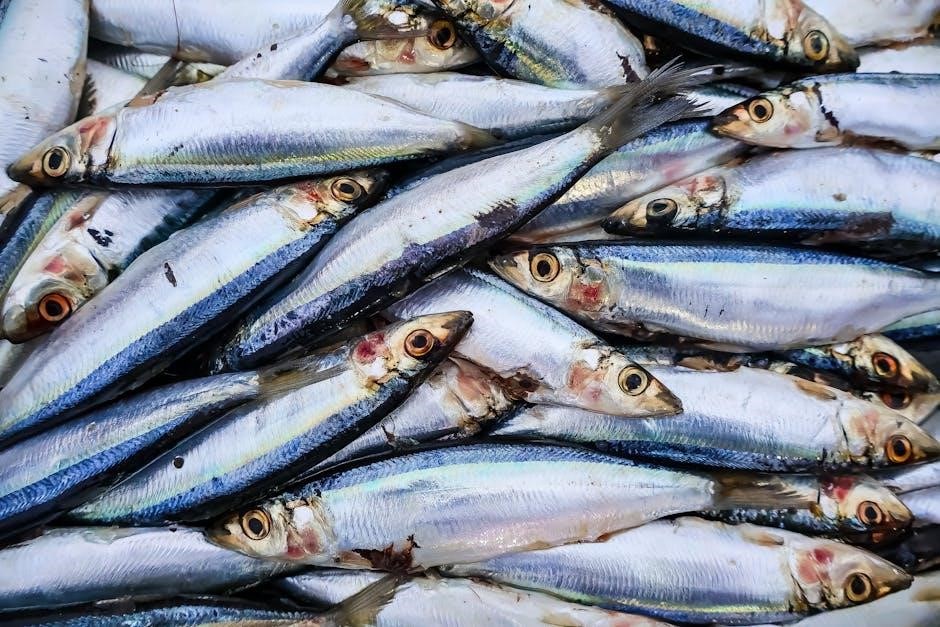
Prioritizing sustainably sourced options is crucial, considering environmental impact and ensuring future availability. Lower-mercury choices, such as salmon and sardines, are recommended for frequent consumption. Variety is key; explore different types to benefit from a wider spectrum of nutrients.
Consider preparation methods – baking, grilling, or steaming are healthier than frying. Incorporating seafood 2-3 times weekly supports heart health and provides essential protein.
Plant-Based Proteins: Legumes, Beans & Tofu
Beyond seafood, a robust pescatarian diet relies heavily on plant-based protein sources. Legumes – lentils, chickpeas, and beans – are nutritional powerhouses, packed with fiber and essential nutrients. These versatile ingredients form the base of many satisfying meals, from soups and stews to salads and dips.
Tofu, derived from soybeans, is another excellent option, readily absorbing flavors and offering a complete protein profile. Tempeh and edamame also contribute significantly to protein intake.
Combining these plant proteins with fish creates a balanced and complete amino acid profile, vital for muscle maintenance and overall health.
Whole Grains: Quinoa, Brown Rice, Oats
Whole grains are fundamental to a healthy pescatarian diet, providing sustained energy and essential fiber. Quinoa, a complete protein itself, is a fantastic base for bowls and salads, offering a nutty flavor and fluffy texture. Brown rice, unlike its white counterpart, retains its bran and germ, maximizing nutritional value.
Oats, particularly steel-cut or rolled oats, are excellent for breakfast, promoting gut health and providing lasting fullness.
These grains complement fish and plant proteins beautifully, creating balanced meals. Incorporating a variety of whole grains ensures a diverse intake of vitamins and minerals.

Fruits & Vegetables: Variety & Seasonal Choices
A cornerstone of the pescatarian approach is a vibrant array of fruits and vegetables. Prioritizing seasonal produce maximizes flavor and nutrient density, while supporting local agriculture. Dark leafy greens like spinach and kale are packed with vitamins, while berries offer powerful antioxidants.
Colorful vegetables, such as bell peppers, carrots, and broccoli, contribute diverse micronutrients.
Don’t limit yourself – explore different varieties and preparation methods. Fruits and vegetables provide essential fiber, aiding digestion and promoting overall wellness, complementing the protein sources within the diet.
Building a Healthy Pescatarian Meal Plan
Crafting a balanced plan involves centering meals around plant foods, incorporating fish, and ensuring adequate nutrient intake for sustained energy and wellness.
Breakfast Ideas for Sustained Energy
Starting the day with a nutritious breakfast is crucial for sustained energy levels. Consider oatmeal topped with berries and a sprinkle of nuts for fiber and healthy fats.
Alternatively, a whole-grain toast with avocado and smoked salmon provides a protein and omega-3 boost. Greek yogurt with fruit and a drizzle of honey is another excellent option.
For a quick and easy choice, blend a smoothie with spinach, banana, plant-based milk, and a scoop of protein powder. Eggs, while not strictly pescatarian for some, can be included occasionally for added protein.
Remember to prioritize whole, unprocessed foods to avoid sugar crashes and maintain consistent energy throughout the morning.
Lunch Options: Quick & Nutritious
For a speedy and satisfying pescatarian lunch, a quinoa salad with grilled salmon and mixed vegetables is an excellent choice. Tuna salad sandwiches on whole-grain bread, using avocado instead of mayonnaise, offer a healthy twist.
Lentil soup paired with a side of whole-grain crackers provides a hearty and fiber-rich meal. Shrimp tacos with a vibrant slaw and a squeeze of lime are both flavorful and nutritious.
Leftovers from dinner, like baked fish with roasted vegetables, make for a convenient option. Don’t forget to include a side of fruit or a small salad for added vitamins and minerals.
Prioritize lean protein and complex carbohydrates for sustained energy throughout the afternoon.
Dinner Recipes: Flavorful & Balanced
Baked salmon with roasted asparagus and quinoa offers a classic, healthy pescatarian dinner. A shrimp stir-fry with brown rice and plenty of colorful vegetables is quick and delicious.
Mediterranean-style baked cod with tomatoes, olives, and feta cheese, served alongside a Greek salad, provides vibrant flavors. Tuna steaks grilled with a lemon-herb marinade, accompanied by sweet potato fries, are a satisfying treat.
Consider a hearty lentil and vegetable stew with a side of whole-grain bread for a comforting meal.
Focus on incorporating diverse plant-based ingredients alongside your seafood for a nutritionally complete dinner.
Sustainability & Mercury Levels in Seafood
Choosing sustainable seafood and understanding mercury content are crucial for both environmental health and personal safety when following a pescatarian diet.
Choosing Sustainable Seafood Sources
Selecting sustainably sourced fish and seafood is paramount for a responsible pescatarian lifestyle. Overfishing and destructive fishing practices threaten marine ecosystems, impacting long-term availability. Look for certifications like the Marine Stewardship Council (MSC) label, indicating wild-caught seafood from well-managed fisheries.
Resources like the Monterey Bay Aquarium’s Seafood Watch guide provide detailed ratings of various species, categorizing them as “Best Choices,” “Good Alternatives,” and “Avoid.” Prioritize species with healthy populations and minimal bycatch – unintentionally caught marine life. Consider locally sourced options when available, reducing transportation impacts. Supporting sustainable fisheries ensures the continued health of our oceans and the availability of seafood for future generations.
Understanding Mercury Content in Fish
Mercury is a naturally occurring element that can accumulate in fish, particularly larger predatory species. High mercury levels can pose health risks, especially for pregnant women, nursing mothers, and young children. It’s crucial to be informed about which fish contain higher concentrations.
Generally, larger fish like swordfish, shark, tilefish, and king mackerel have higher mercury levels and should be consumed less frequently or avoided. Smaller fish, such as salmon, sardines, and trout, typically contain lower levels and are safer to eat more often. Resources like the EPA and FDA provide guidelines on safe consumption limits based on fish type and individual circumstances. Diversifying your seafood choices minimizes exposure.
Safe Consumption Guidelines
To enjoy the benefits of a pescatarian diet while minimizing risks, follow these guidelines. The FDA and EPA recommend 8 to 12 ounces of a variety of seafood per week for adults. Prioritize low-mercury options like salmon, shrimp, canned light tuna, and sardines. Limit consumption of higher-mercury fish to once or twice a month.
Pregnant or breastfeeding women and young children should be particularly cautious, adhering to stricter limits. Always source seafood from reputable suppliers and consider sustainable options. Varying your choices ensures a broader nutrient intake and reduces potential exposure to any single contaminant. Staying informed about current advisories is also essential for safe and healthy eating.
Health Benefits of a Pescatarian Diet
This dietary pattern supports heart health via omega-3s, aids weight management with nutrient density, and promotes gut wellness through fiber-rich foods.
Heart Health & Omega-3 Fatty Acids
A pescatarian diet is exceptionally beneficial for cardiovascular health, largely due to the inclusion of fish and seafood, rich sources of omega-3 fatty acids. These essential fats—EPA and DHA—are known to lower blood pressure, reduce triglyceride levels, and decrease the risk of irregular heartbeats. Regularly consuming fish like salmon, mackerel, and sardines contributes significantly to these protective effects.
Furthermore, the emphasis on fruits, vegetables, and whole grains within a pescatarian framework provides additional heart-healthy nutrients like fiber, vitamins, and antioxidants. Limiting saturated fats, commonly found in red meat, further enhances the diet’s positive impact on cholesterol levels and overall cardiac function. Prioritizing these elements fosters a robust and resilient cardiovascular system.
Weight Management & Nutritional Value
The pescatarian diet often supports healthy weight management due to its focus on nutrient-dense, lower-calorie foods. Plant-based staples like fruits, vegetables, and whole grains are naturally filling and provide ample fiber, promoting satiety and reducing overeating. Fish and seafood offer lean protein, crucial for building and maintaining muscle mass, which boosts metabolism.
Nutritionally, this diet delivers a broad spectrum of vitamins, minerals, and antioxidants. It’s rich in essential nutrients often lacking in strictly meat-based diets. Choosing healthy fats from sources like avocados, nuts, and olive oil further enhances its nutritional profile, contributing to overall wellness and sustained energy levels.
Gut Health & Fiber Intake
A cornerstone of the pescatarian diet is its emphasis on plant-based foods, naturally rich in dietary fiber. This fiber intake is profoundly beneficial for gut health, promoting regular bowel movements and preventing constipation. Fiber also serves as a prebiotic, nourishing beneficial gut bacteria essential for digestion, immunity, and overall well-being.
Diverse whole grains, legumes, fruits, and vegetables contribute to a varied microbiome, enhancing gut function. A healthy gut microbiome is linked to improved nutrient absorption, reduced inflammation, and even mental health benefits. Prioritizing these fiber-rich foods is key to maximizing the positive impact of a pescatarian lifestyle on digestive health.
Pescatarianism & Notable Figures
Harry Styles, a prominent figure, embraces a pescatarian diet, excluding meat while enjoying fish and plant-based foods, influenced by his bandmates.
Celebrity Adopters: Harry Styles as an Example
Harry Styles, renowned for his music and style, publicly follows a pescatarian lifestyle. Inspired by fellow musicians within his band, he made the dietary choice to exclude all meat products from his diet, while continuing to consume fish and a wide array of plant-based foods;

This adoption highlights the growing appeal of pescatarianism, often linked to health, ethical, and environmental considerations. Styles’ influence extends beyond music, showcasing a lifestyle that resonates with many seeking a balanced and conscious approach to eating. His choice contributes to the increasing visibility and normalization of plant-forward diets.
Influence of Plant-Based Eating Trends
The surge in popularity of plant-based diets – encompassing vegetarianism, veganism, and flexitarianism – has significantly boosted the profile of pescatarianism. This broader movement towards reducing meat consumption, driven by health, environmental, and ethical concerns, has created a more receptive environment for dietary choices like pescatarianism.
Increased awareness of the benefits of plant-rich foods, coupled with a desire for sustainable eating practices, has led many to explore alternatives to traditional meat-heavy diets. Pescatarianism offers a compelling middle ground, providing the nutritional benefits of seafood alongside the advantages of a plant-focused lifestyle, aligning with current wellness trends.